Week 2
Before you can understand where you’re going, you have to understand who you are.
It’s easy to let the world answer that question for you. Your appearance, your mistakes, your relationships, your accomplishments, your struggles, your job, your friends, and even other people’s opinions can all become things we use to decide what we’re worth.
But as Christians, our identity is meant to be rooted somewhere deeper.
God.
This week, we’re going to take a closer look at some of the foundational truths that shape how we understand ourselves and our faith.
We’ll talk about what God says about you, what sin actually is and why it matters, and what biblical repentance really means. We’ll explore grace and why God’s love isn’t something we can earn by becoming “good enough.”
We’ll also take a deeper look at the cross and learn why Jesus’ death was necessary, what it accomplished, and what it means for us today.
From there, we’ll explore purpose—what it actually means to have a purpose according to Scripture and why your purpose isn’t limited to one career, accomplishment, or moment in your life.
And we’ll finish the week by learning about worship and discovering that worship is much bigger than singing a song on Sunday morning. Worship can become a way of living.
This week isn’t about simply telling you who you are.
It’s about learning why you are who you are in Christ.
As you go through each day, don’t be afraid to ask questions. If something is unfamiliar, slow down. If you’ve heard something before, look at it from a new perspective. Open your Bible, take notes, and allow yourself to learn.
You don’t have to already know everything.
That’s what this journey is for.
Your Week Two Reminder
Your identity isn’t something you have to create all by yourself.
The world will constantly give you definitions of who you should be. But Scripture gives you something much deeper: a foundation for understanding your worth, your purpose, your need for grace, and your relationship with God.
So this week, don’t just read.
Learn. Ask. Discover. Grow.
Let’s take a deeper look at who God says you are—and what that means for the way you live.
Welcome to Week Two.
—Rooted and Becoming
Understanding Your Identity
Day 1: What Does God Say About You?
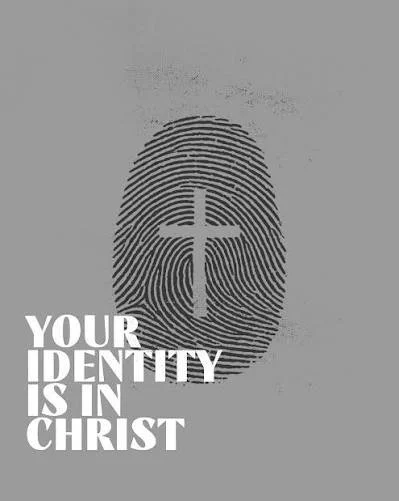
You are not who the world says you are. You are who God Says you are. Your identity is in Christ.
There are so many voices telling us who we are.
Social media tells us what we should look like.
Our past tells us what we've done.
Other people's opinions tell us whether we're enough.
Our mistakes tell us we're failures.
Our insecurities tell us we're not worthy.
And sometimes, our own minds become the loudest voice of all.
But here's a question we don't ask nearly enough:
What does God say about me?
Not what does my past say.
Not what does my worst day say.
Not what does someone who hurt me say.
Not even what do I say about myself.
What does God say?
Because if you're going to learn what it means to follow God, you have to learn to recognize His voice above all the others.
Let's start with this:
You are loved.
Not because you earned it.
Not because you've been perfect.
Not because you've done everything right.
God's love for you isn't based on your performance.
Romans 5:8 says:
“But God commendeth his love toward us, in that, while we were yet sinners, Christ died for us.”
Think about that for a second.
God didn't wait until you had everything together before loving you.
He loved you in the middle of your mess.
He knew every mistake you would make, every wrong turn you would take, every moment you would question Him, and every time you would fall short—and He still chose to love you.
That changes the way we see ourselves.
You are His.
1 Peter 2:9 says:
“But ye are a chosen generation, a royal priesthood, an holy nation, a peculiar people...”
You are not an accident.
You are not forgotten.
You are not invisible to God.
There is something incredibly powerful about realizing that your identity doesn't have to come from what everyone else thinks about you.
You don't have to spend your entire life trying to prove that you're worthy of being loved, accepted, or chosen.
God already chose you.
And that doesn't mean you're better than anyone else. It means your worth comes from the One who created you.
You are a work of God.
Psalm 139:14 says:
“I will praise thee; for I am fearfully and wonderfully made.”
I know that verse is familiar to a lot of us, but sometimes familiar verses can become so familiar that we stop actually listening to them.
Wonderfully made.
That means your worth isn't something you have to create.
God created you intentionally.
There may be things about yourself you're still learning to appreciate. There may be parts of your personality, your story, or your past that you're still trying to understand. But your uncertainty about yourself doesn't change God's certainty about you.
You don't have to become someone else to be valuable to Him.
And your mistakes aren't your identity.
This one can be difficult.
Maybe you've made decisions you're ashamed of.
Maybe there's something from your past that you wish you could erase.
Maybe you've believed a label someone placed on you for so long that you've forgotten there is more to you than that one thing.
But God doesn't look at you and see only your worst moment.
2 Corinthians 5:17 says:
“Therefore if any man be in Christ, he is a new creature: old things are passed away; behold, all things are become new.”
Your past is part of your story.
It is not the entirety of who you are.
There is a difference.
You can learn from what you've done without allowing it to define you forever.
You can acknowledge where you've been without believing that's where you have to stay.
And perhaps that's one of the biggest lessons we can learn as Christians:
We have to stop allowing voices that God never spoke to become the foundation of our identity.
So let me ask you something.
If someone asked you right now, “Who are you?”
What would you say?
Would you describe yourself by your struggles?
Your appearance?
Your accomplishments?
Your relationships?
Your mistakes?
Your past?
Or would you know how to answer based on what God says about you?
Because the more you learn Scripture, the more you begin to understand that God has already told you so much about who you are.
You are loved.
You are chosen.
You are created intentionally.
You are valuable.
You can be made new.
You belong to Him.
And you don't have to spend your life trying to become worthy of God's love.
You get to live from the truth that you already are loved by Him.
So maybe this week, instead of asking everyone else to tell you who you are, open your Bible and let God tell you Himself.
Because the world will have an opinion about you every day.
Make sure you know what God says.
—Rooted and Becoming
Day 2: What Is Sin And Why Does It Matter
Sin separates us from God, but grace gives us a way back. Don’t run from God because you fell—run to Him because He’s ready to forgive.
Sin.
It’s a word we hear a lot in church, but I think sometimes we hear it so often that we stop thinking about what it actually means.
We might hear someone say, “That’s a sin,” or “You need to stop sinning,” but what does that really mean? Why does God care so much about sin? And if God loves us so much, why does He care about the things we do?
I think understanding sin is important because you can't fully understand God's grace until you understand what we need grace from.
So, what actually is sin?
At its simplest, sin is choosing something that goes against God's will.
It's not just the obvious things we tend to associate with sin. Sin can show up in our actions, but it can also show up in our thoughts, our attitudes, our words, and the condition of our hearts.
1 John 3:4 says:
“...sin is the transgression of the law.”
God gives us His Word because He loves us and knows what is good for us. When we knowingly choose our own way instead of His, we're stepping outside of what He has called us to do.
And that's where sin becomes more than simply “breaking a rule.”
Sin affects our relationship with God.
Think about a relationship with someone you love.
If you constantly lie to them, hurt them, ignore them, or intentionally do things you know will damage the relationship, eventually there will be distance.
It's not because they suddenly stopped loving you.
It's because something has come between you.
That's what sin does.
Isaiah 59:2 says:
“But your iniquities have separated between you and your God, and your sins have hid his face from you...”
God's love doesn't disappear when we sin.
But sin creates separation.
And that's why it matters.
But here's where things get beautiful.
If we stopped the conversation there, Christianity would sound like a list of everything we're doing wrong.
Don't do this.
Don't say that.
Don't go there.
Don't make that mistake.
But the Gospel isn't simply about telling you how bad you are.
It's about showing you how much God loves you despite your sin and what He did to bring you back to Him.
Romans 3:23 says:
“For all have sinned, and come short of the glory of God.”
Notice the word all.
Not some.
Not the people who seem like they have their lives together.
Not just the people sitting in the church who look like they have perfect faith.
All.
Every one of us has fallen short.
And that means none of us gets to stand before God and say, “I'm good enough on my own.”
We need Jesus.
Sin isn't meant to make you hide from God.
This is something I really want you to understand.
When you mess up, the enemy may tell you:
“Don't pray. You don't deserve to talk to God right now.”
“You should be embarrassed.”
“You've done this too many times.”
“God is probably tired of you.”
But that's not what God is asking you to do.
When you sin, run toward God, not away from Him.
1 John 1:9 says:
“If we confess our sins, he is faithful and just to forgive us our sins, and to cleanse us from all unrighteousness.”
Look at that promise.
Faithful.
Forgive.
Cleanse.
God isn't asking you to pretend you didn't mess up.
He's asking you to bring it to Him.
There is freedom in being able to say, “God, I messed up. I was wrong. I need You.”
You don't have to hide behind excuses.
You don't have to pretend you're better than you are.
You don't have to clean yourself up before coming to Him.
You can simply come honestly.
But grace doesn't mean sin doesn't matter.
This is where we have to be careful.
God's grace isn't permission to keep doing whatever we want without caring about how we're living.
Grace should change us.
When you truly understand what Jesus has done for you, obedience stops being about “What can I get away with?”
Instead, it becomes:
“How can I live in a way that honors the God who saved me?”
There's a difference between obeying God because you're terrified of punishment and obeying Him because you love Him.
One is fear.
The other is relationship.
Jesus said in John 14:15:
“If ye love me, keep my commandments.”
Following God doesn't mean you'll never mess up again.
It means you stop making peace with the things God is calling you away from.
You begin to recognize sin for what it is—not something that makes you worthless, but something that keeps you from experiencing the fullness of the relationship God wants with you.
So the next time you hear the word sin, don't just think about a list of rules.
Think about a God who loves you enough to tell you the truth.
Think about a Savior who came for people who couldn't save themselves.
Think about grace.
Think about forgiveness.
Think about the opportunity to turn around and walk a different direction.
Because sin matters.
But God's grace is greater.
And understanding that doesn't give us an excuse to keep running toward sin.
It gives us a reason to finally turn around and run toward God.
—Rooted and Becoming
Day 3: What Is Repentance?
You may have wandered far, but you've never wandered beyond God's reach. Turn around.
Repentance.
It’s a word we hear often in church, but I think a lot of us know the word without really understanding what it means.
We hear, “You need to repent,” and sometimes it can sound like a scary religious word—something connected only to guilt, punishment, or being told everything we're doing wrong.
But repentance is actually an invitation.
It is an invitation to turn around, come back to God, and allow Him to change the direction of your life.
Repentance is more than saying, “I'm sorry.”
Think about the difference between being sorry and actually changing your direction.
You can feel terrible about something you did and still continue doing it. You can apologize, cry, promise yourself you'll never do it again—and then find yourself right back in the same place.
That's because regret and repentance aren't exactly the same thing.
Regret says:
“I wish I hadn't done that.”
Repentance says:
“I don't want to keep living this way.”
Regret focuses on what happened.
Repentance changes where you're going.
2 Corinthians 7:10 says:
“For godly sorrow worketh repentance to salvation...”
Feeling sorrow over our sin isn't necessarily a bad thing. In fact, recognizing that something is wrong can be the beginning of something beautiful.
But God doesn't want us to stay stuck in guilt.
He wants that conviction to lead us somewhere.
Back to Him.
Repentance means turning around.
Imagine you're walking down a road and suddenly realize you've been going the wrong way.
You can stand there and say, “Wow, I really went the wrong direction.”
You can feel embarrassed.
You can wish you had listened to the person who told you where to go.
But eventually, you have a decision to make.
Do you keep walking the wrong way, or do you turn around?
That's what repentance looks like.
You recognize that your way isn't God's way, and you choose to turn.
Acts 3:19 says:
“Repent ye therefore, and be converted, that your sins may be blotted out...”
Repentance isn't simply acknowledging that you've done something wrong.
It's saying:
“God, I don't want to keep going this direction. I want to follow You.”
And sometimes that decision requires action.
You may need to leave something behind.
You may need to change a habit.
You may need to apologize.
You may need to set a boundary.
You may need to walk away from something that has been pulling you farther from God.
Repentance isn't always comfortable.
But following God isn't always about doing what's comfortable.
Sometimes it's about doing what's right.
Conviction and condemnation are not the same thing.
You can feel convicted about something without believing that you're worthless because of it.
Conviction says, “This needs to change.”
Condemnation says, “You are hopeless.”
Conviction points you toward God.
Condemnation makes you want to hide from Him.
When the Holy Spirit convicts you, it isn't God telling you that you're too far gone.
It's God showing you something that needs to be surrendered.
Romans 2:4 says:
“...the goodness of God leadeth thee to repentance.”
Read that again.
The goodness of God leads us to repentance.
God isn't exposing our sin because He enjoys making us feel guilty.
He shows us what needs to change because He loves us too much to leave us where we are.
Repentance doesn't mean you'll never struggle again.
This is important because sometimes people think repentance means:
“I messed up, asked God to forgive me, and now I can never make that mistake again.”
But following God doesn't mean you suddenly become incapable of temptation, mistakes, or struggles.
You're still human.
There may be things you have to surrender more than once.
There may be habits that take time to overcome.
There may be moments when you fall and have to get back up.
The answer isn't to give up.
It's to keep turning back toward God.
Proverbs 24:16 says:
“For a just man falleth seven times, and riseth up again...”
The verse doesn't say the righteous person never falls.
It says they rise again.
That's an important part of the Christian life.
You don't prove your faith by never falling.
You demonstrate your faith by refusing to stay down.
—Rooted and Becoming
Day 4: What Is Grace

You could never earn it, but God freely gave it. That’s grace.
There are some words we hear so often in church that we can forget to stop and really think about what they mean.
Grace is one of those words.
We sing about it. We pray about it. We hear that we're “saved by grace.” We talk about God's grace when someone makes a mistake or comes back to God.
But what actually is grace?
And why is it such a big part of Christianity?
I think grace becomes much more meaningful when we understand what we don't deserve—and what God chooses to give us anyway.
Grace is getting what you could never earn.
One of the simplest ways to understand grace is this:
Grace is God's undeserved favor toward us.
It's God giving us something we could never earn through our own goodness, achievements, or perfection.
Ephesians 2:8-9 says:
“For by grace are ye saved through faith; and that not of yourselves: it is the gift of God: Not of works, lest any man should boast.”
Read that again.
It is the gift of God.
A gift isn't something you earn.
If someone gives you a birthday present, you don't stand there thinking, “How many good things did I do this year to deserve this?”
They gave it because they wanted to give it.
That's what makes grace so beautiful.
You don't have to earn God's grace by being perfect.
You can't work enough hours for it.
You can't attend enough church services for it.
You can't read enough Bible verses for it.
You can't make yourself good enough to deserve it.
Grace is a gift.
Grace doesn't mean our sin doesn't matter.
This is important.
Sometimes people hear about grace and think, “If God forgives me anyway, why does it matter what I do?”
But that's not what grace means.
Grace doesn't make sin unimportant.
It shows us just how incredible God's love is in the middle of our sin.
Romans 5:8 says:
“But God commendeth his love toward us, in that, while we were yet sinners, Christ died for us.”
God didn't wait for humanity to become perfect before He showed love.
He loved us while we were still sinners.
That's grace.
And when you really understand that, grace shouldn't make you want to run toward sin.
It should make you want to run toward God.
Grace meets you where you are—but it doesn't leave you there.
This is one of the most important things to understand about grace.
God's grace means you can come to Him exactly as you are.
You don't have to pretend.
You don't have to hide your struggles.
You don't have to clean yourself up first.
You can come to God with the messy parts of your life.
But God's grace doesn't mean He wants you to stay exactly where you are.
Grace welcomes you in, then begins transforming you.
Titus 2:11-12 says:
“For the grace of God that bringeth salvation hath appeared to all men, Teaching us that, denying ungodliness and worldly lusts, we should live soberly, righteously, and godly...”
Look at that.
Grace teaches us.
Grace changes us.
Grace helps us learn how to live differently.
God's grace isn't simply God saying, “It's okay. Do whatever you want.”
It's God saying:
“I love you too much to leave you the way I found you.”
Grace is for the person who keeps thinking they're not good enough.
Maybe you've ever looked at your life and thought:
“God couldn't really use someone like me.”
“I've made too many mistakes.”
“I've messed up too many times.”
“I'm not like the people at church who seem to have everything together.”
“Maybe God loves other people more than He loves me.”
If you've ever thought those things, I want you to understand something:
Grace was never reserved for people who had everything together.
Grace is for people who know they need God.
You don't have to walk into church pretending you're perfect.
You don't have to hide your past.
You don't have to be ashamed of the fact that you're still growing.
You can be honest about where you've been while trusting God with where you're going.
Because your failures don't make God's grace run out.
Grace doesn't give you permission to stay down.
Sometimes we make a mistake and then allow shame to completely take over.
We think:
“I messed up again.”
“I should know better.”
“God must be disappointed in me.”
“What's the point of trying?”
And instead of running toward God, we run away from Him.
But grace gives you another option.
Get back up.
Proverbs 24:16 says:
“For a just man falleth seven times, and riseth up again...”
Being a Christian doesn't mean you'll never fall.
It means you know where to go when you do.
God's grace gives you the ability to confess, receive forgiveness, learn from what happened, and keep moving forward.
You don't have to spend the rest of your life sitting beside the mistake you made yesterday.
There is grace for today.
Grace changes how we see other people too.
Once you understand how much grace God has given you, it becomes harder to believe that you're somehow better than everyone else.
Because we're all dependent on the same grace.
The person sitting next to you in church needs grace.
The person who has a completely different testimony needs grace.
The person who made choices you don't understand needs grace.
And so do you.
That doesn't mean we ignore sin or pretend wrong things are right.
It means we remember that we are all people who need Jesus.
Grace should make us more humble, more compassionate, and more willing to point people toward God instead of simply pointing out their failures.
So what does grace mean for you today?
Maybe it means you need to stop punishing yourself for something God has already forgiven.
Maybe it means you need to stop believing that your past makes you unusable.
Maybe it means you need to stop comparing your faith journey to someone else's.
Maybe you've been trying so hard to earn God's approval that you've forgotten He already loves you.
Or maybe you've been using grace as an excuse to stay comfortable instead of allowing God to change you.
Wherever you are, grace meets you there.
But don't mistake grace for God lowering His standards.
Grace is God giving you what you could never earn and inviting you into a life you could never create on your own.
And maybe that's why grace is so amazing.
You can't earn it.
You can't buy it.
You can't work for it.
You don't become worthy enough for it.
You receive it.
So when you wake up tomorrow and remember the things you've done wrong, remember grace.
When you feel like you're not enough, remember grace.
When you fall, remember grace.
When you don't understand why God would still want you, remember grace.
And when you realize just how much God has forgiven you, don't use that grace as a reason to stay the same.
Let it change you.
Because grace isn't just about what God saved you from.
It's about the person He's helping you become.
And that is a gift none of us could ever earn
—Rooted and Becoming
Day 5: Why Did Jesus Have To Die
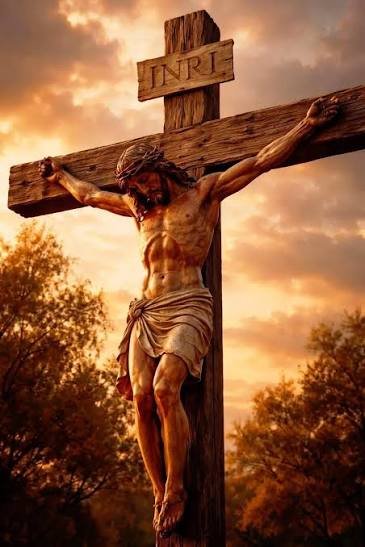
The cross wasn't proof that God stopped loving us. It was the greatest proof that He never stopped.
The cross is probably one of the most familiar images in Christianity.
We see it on church buildings, necklaces, artwork, Bibles, and everywhere in Christian culture. We sing about it, preach about it, and talk about what Jesus did on it.
But have you ever actually stopped and asked:
Why did Jesus have to die?
Why couldn't God simply forgive us?
Why did Jesus have to come to earth, suffer, and give His life?
If God is loving and merciful, why was the cross necessary?
These are important questions because if we don't understand the cross, we can miss the heart of Christianity.
First, we have to understand the problem.
Last time, we talked about sin.
Sin isn't simply breaking a list of rules. Sin is humanity choosing its own way instead of God's way, and that sin separates us from Him.
Romans 6:23 says:
“For the wages of sin is death; but the gift of God is eternal life through Jesus Christ our Lord.”
There is a consequence to sin.
And the problem is that every single one of us has sinned.
Romans 3:23 says:
“For all have sinned, and come short of the glory of God.”
That means none of us could stand before God and say, “I've been good enough. I don't need forgiveness.”
We all need it.
But God didn't leave humanity without hope.
He made a way.
Jesus became the way.
The cross wasn't an accident.
Jesus didn't simply happen to be in the wrong place at the wrong time.
His death was part of God's plan to bring us back to Him.
John 3:16 says:
“For God so loved the world, that he gave his only begotten Son...”
Notice what motivated the plan.
Love.
The cross wasn't God deciding to punish someone because He didn't care about us.
The cross was God making a way for us to be reconciled to Him.
Jesus willingly stepped into our place.
1 Peter 2:24 says:
“Who his own self bare our sins in his own body on the tree...”
Jesus took the consequence of sin upon Himself so that we could receive forgiveness and new life.
That's why the cross matters.
Jesus did what we could never do for ourselves.
Imagine spending your entire life trying to earn something that is impossible to earn.
You could work harder.
Try harder.
Be nicer.
Go to church more.
Read your Bible more.
Give more.
Serve more.
But none of those things could erase sin.
You couldn't make yourself righteous enough to stand before a holy God.
That's why we needed Jesus.
The answer wasn't for humanity to somehow become perfect.
The answer was for Jesus to do what we couldn't.
2 Corinthians 5:21 says:
“For he hath made him to be sin for us, who knew no sin; that we might be made the righteousness of God in him.”
Jesus was without sin, yet He willingly gave Himself for sinners.
That is grace.
The cross shows us how serious sin is—and how great God's love is.
Sometimes we can hear about sin so often that it becomes almost meaningless.
“Everyone sins.”
“Nobody's perfect.”
And while that's true, the cross reminds us that sin isn't something God simply ignores.
Sin matters.
But at the exact same time, the cross shows us something else:
You matter to God.
Romans 5:8 says:
“But God commendeth his love toward us, in that, while we were yet sinners, Christ died for us.”
Jesus didn't wait for us to become perfect.
He didn't wait for us to get our lives together.
He didn't wait for us to stop struggling.
He loved us while we were still sinners.
That's what makes the cross so powerful.
But Jesus didn't stay in the grave.
If Jesus had died and stayed dead, the story wouldn't end in victory.
The resurrection is essential to the Gospel.
Jesus rose again.
He defeated death and showed that death would not have the final word.
1 Corinthians 15:3-4 says:
“...Christ died for our sins according to the scriptures; And that he was buried, and that he rose again the third day according to the scriptures.”
The cross represents the sacrifice.
The resurrection represents the victory.
Jesus didn't just die so we could be forgiven.
He rose so we could have new life.
That's why Christianity isn't simply about remembering something Jesus did thousands of years ago.
It's about living in the reality of what He has done.
So what does the cross mean for you personally?
It means you don't have to earn your way back to God.
You don't have to spend your life trying to make yourself worthy of His love.
You don't have to hide your past from Him.
You don't have to believe that you've messed up too badly for God to want you.
Jesus already made the way.
Maybe you've spent a long time believing that God is disappointed in you.
Maybe you've looked at your mistakes and thought they were bigger than God's ability to forgive.
Maybe you've wondered whether someone like you could really be loved by God.
Look at the cross.
Jesus knew exactly what He was giving Himself for.
And He still chose to give Himself.
The cross should change the way we live.
Understanding what Jesus did shouldn't just make us say, “That's nice.”
It should change us.
When you understand that Jesus gave His life for you, obedience becomes more than following a list of rules.
It becomes a response to love.
You don't follow God because you're trying to convince Him to love you.
You follow Him because He already loved you enough to give everything for you.
That's a completely different motivation.
The question becomes less:
“What can I get away with?”
and more:
“How can I live for the One who gave His life for me?”
So why did Jesus have to die?
Because sin separated us from God.
Because we could never save ourselves.
Because forgiveness required a sacrifice.
Because God wanted to make a way for us to be reconciled to Him.
Because Jesus willingly took our place.
And ultimately, because God loved us.
The cross wasn't the end of the story.
It was the beginning of a new one.
A story where forgiveness is possible.
Where grace is available.
Where your past doesn't have to define your future.
Where death doesn't get the final word.
And where anyone who puts their faith in Jesus can have a restored relationship with God.
So the next time you see a cross, don't just see a symbol.
Remember what it represents.
A Savior who gave Himself so you could be brought back to God.
And remember this:
Jesus didn't die because you were worth nothing.
He died because He loved you enough to make a way home.
—Rooted and Becoming